Subscribe

Prison Labor

Minnesota Labor Coalition Demands Disney Subcontractor Pay Incarcerated Workers Minimum Wage

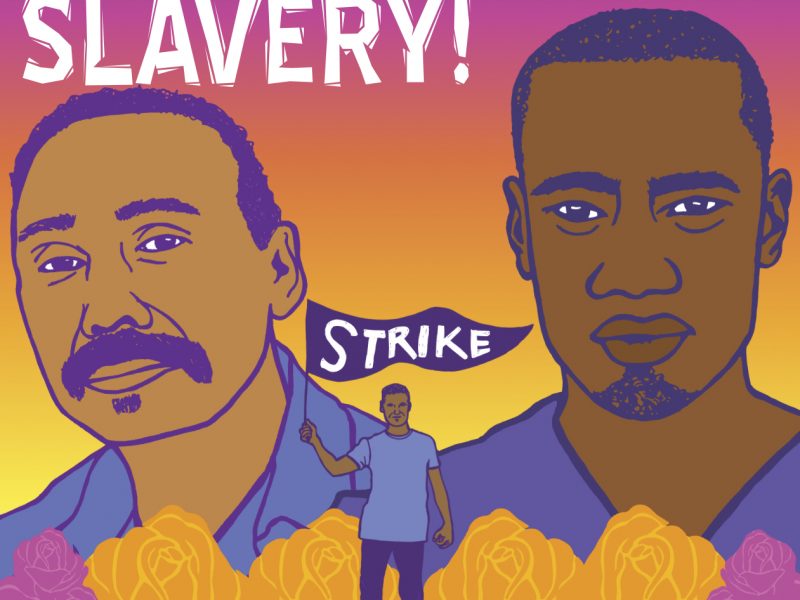
On December 11, a coalition of formerly incarcerated workers and Minnesota unions gathered at the United Labor Center in Minneapolis to demand Anagram International, LLC, a Minnesota-based balloon manufacturer and subcontractor for Disney, increase pay for incarcerated workers to the state’s minimum wage. The workers are currently paid at a rate of 90 cents per hour, while Minnesota’s state minimum wage is $11.13. 

The coalition, led by the non-profit End Slavery in Minnesota, aims to reclassify prisoners as workers and ensure minimum wage pay and benefits for all incarcerated workers across Minnesota. 

“I stand here today not just for myself but for thousands of people inside still making pennies, choosing between soap and a ten-minute phone call to a loved one,” said Jermale Kling, a formerly incarcerated worker at the Minnesota Correctional Facility in Stillwater, Minn., at a press conference. Kling worked at an upholstery shop and for Anagram, and explained that because of the low wages, he would average $7 per day of work—barely enough to buy a bar of soap. While the 13th Amendment of the United States Constitution abolished slavery in 1865, the amendment includes one exception for forced labor “as a punishment for crime.” End Slavery in Minnesota’s goal is to amend the Minnesota state constitution to reclassify incarcerated workers to ensure the same labor protections as any other worker. 

According to a press release sent this week from the coalition, “Incarcerated workers are making just $0.90 an hour, while supporting a company worth nearly $200 billion,” in reference to Disney. 

A press conference was hosted by Central Florida Jobs with Justice earlier this month in Florida, also calling out Disney for its use of prison labor to produce its balloons. Other union and worker center coalition members of End Slavery in Minnesota include the North Central States Regional Council of Carpenters (NCSRCC), Minnesota AFL-CIO, Saint Paul Federation of Educators, Minneapolis Federation of Educators (MFE), and the Minneapolis chapter of the Sex Workers Outreach Project (SWOP). 

Chauntyll Allen, an organizer with End Slavery in Minnesota, said at the press conference that paying incarcerated workers minimum wage would allow workers to better support their families, keep up with child support, restitution payments, and decrease recidivism rates.

Prison Labor in Minnesota, Part 2

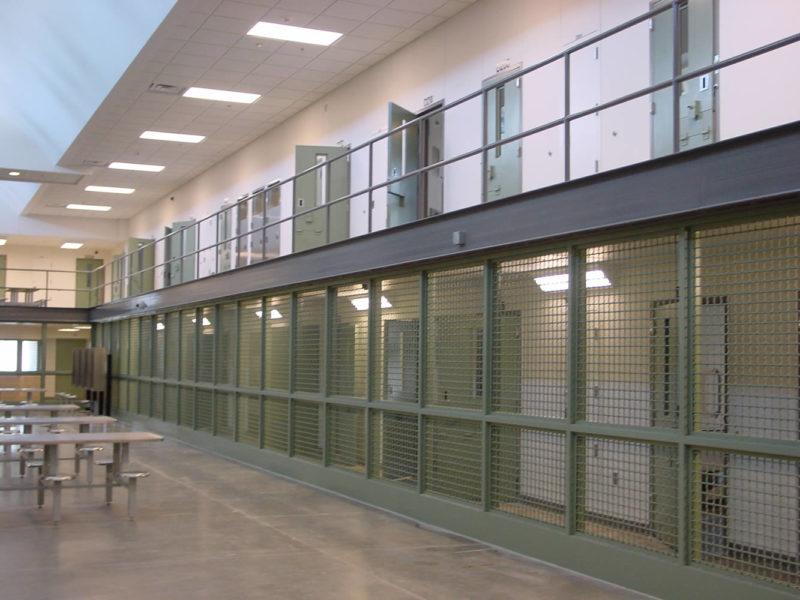
Ezekiel “Zeke” Caligiuri remembers learning that inmate labor built St. Cloud Correctional Facility. Upon that discovery, he began seeing the walls of his cell in a different hue. Zeke observed that he “lived in a space that had been lived in for 100 years.” He grappled with the sobering reality that countless men before him had labored to sustain their own confinement and would continue to do so long after he was gone. As Zeke describes in his memoir, “I thought about a world that had no problem forgetting any of us ever existed.” Being forgotten behind concrete and steel bars also means that there is little observance and awareness of the treatment of prison laborers like Zeke.
Prison Labor in Minnesota, Part 1

The Department of Corrections (DOC) has a monopoly over an inmate’s shelter, work opportunities, and medical care. Since inmates live in their workplace, their living conditions are also their working conditions.

The Supreme Court Just made Life Harder for Detained Immigrant Workers

Dr. Jimmy Patiño’s new book Raza Sí, Migra No challenges the nativist myth that “immigrants take jobs.” A portion of our extended conversation explores his groundbreaking work charting the history of the deportation regime. His work helps to clarify how the Supreme Court’s Tuesday ruling places more immigrant detainees into the exploitative labor schemes of for-profit detention centers.