Despite the popularity of unions being at a record high, workers in the food service industry face an uphill battle when it comes to fighting for collective bargaining rights. Hospitality unions and workers are trying to change that.


Workday Magazine (https://workdaymagazine.org/category/organizing/)
Despite the popularity of unions being at a record high, workers in the food service industry face an uphill battle when it comes to fighting for collective bargaining rights. Hospitality unions and workers are trying to change that.

A conversation with the former president of the clerical workers union at the University of Minnesota.
Was objectivity really a historical norm? Not for these pioneering labor journalists and advocates.
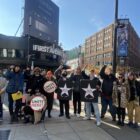
In the late summer of 2021, a group of workers from First Avenue, the iconic Minneapolis music venue, were fed up with low pay, last-minute scheduling, lack of parking, and safety concerns, and wanted to implement some of their own ideas in their workplace. Unsure of how to get it done, the workers decided to first contact Restaurant Opportunities Center of Minnesota (ROC-MN) to learn more about their workplace rights.
Fast forward to November 2: Over 200 bartenders, event staff, and other in-house workers across seven venues affiliated with First Avenue marched on the boss and delivered a petition that included the faces and names of over 70% of staff who want to unionize with UNITE HERE Local 17. About 24 hours later, First Avenue management voluntarily recognized the union.
Workers say the unionization effort was successful, in part, due to the collaboration between the worker center and the union. Even before formal recognition, workers were confident. Pauli DeMaris, a First Avenue bartender and event staff for the past 18 years, said in an interview with Workday Magazine a few hours before recognition, “We have over 70% majority already on board.
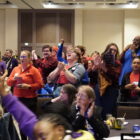
With a string of contracts expiring in the new year, Minnesota unions and community groups are gathering to unite around a strategy for a cleaner environment and better jobs, housing and schools.
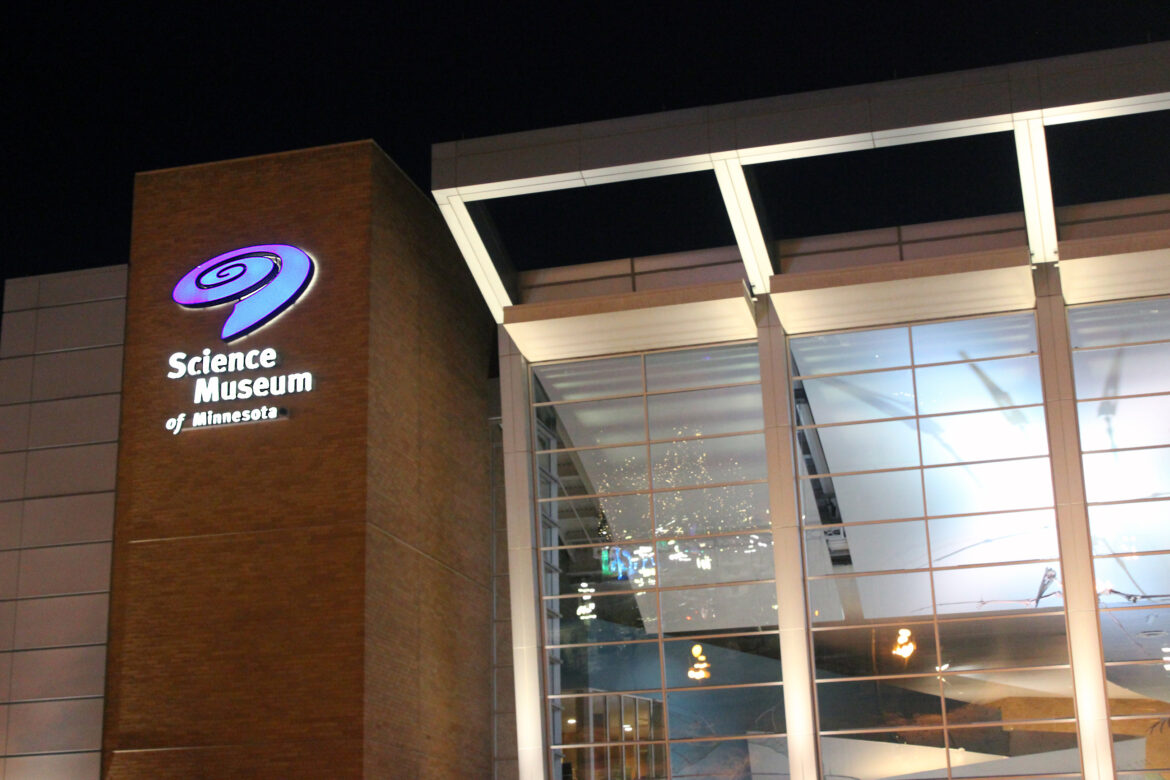
The NLRB recently reinstated six workers at the Science Museum of Minnesota. Workers say the museum is still breaking labor law and failing to bargain in good faith.

A Q&A with Rose Roach, the new national coordinator for the Labor Campaign for Single Payer, which wants to take health care off the bargaining table by establishing a single-payer health care system in the U.S.
Over 65% of University of Minnesota Graduate Workers have signed their union cards, an optimistic start after many attempts over the past several decades.
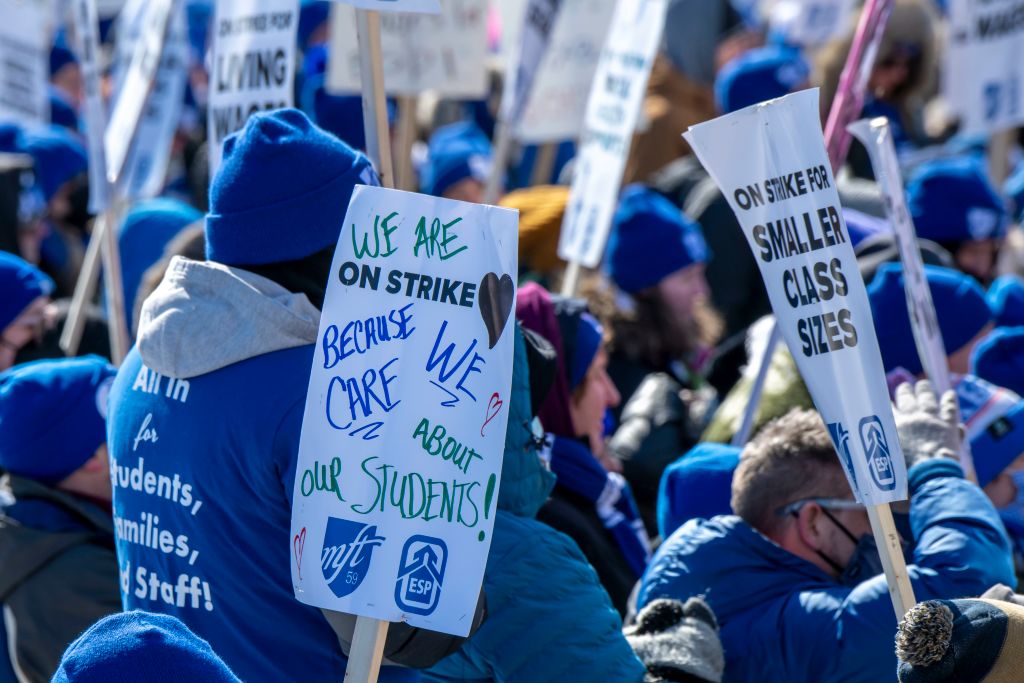
Why workers say captive audience meetings are coercive and unfair.

Workers are concerned about soaring rates of injury, high productivity quotas, incoherent policies, and a sudden warehouse closure.
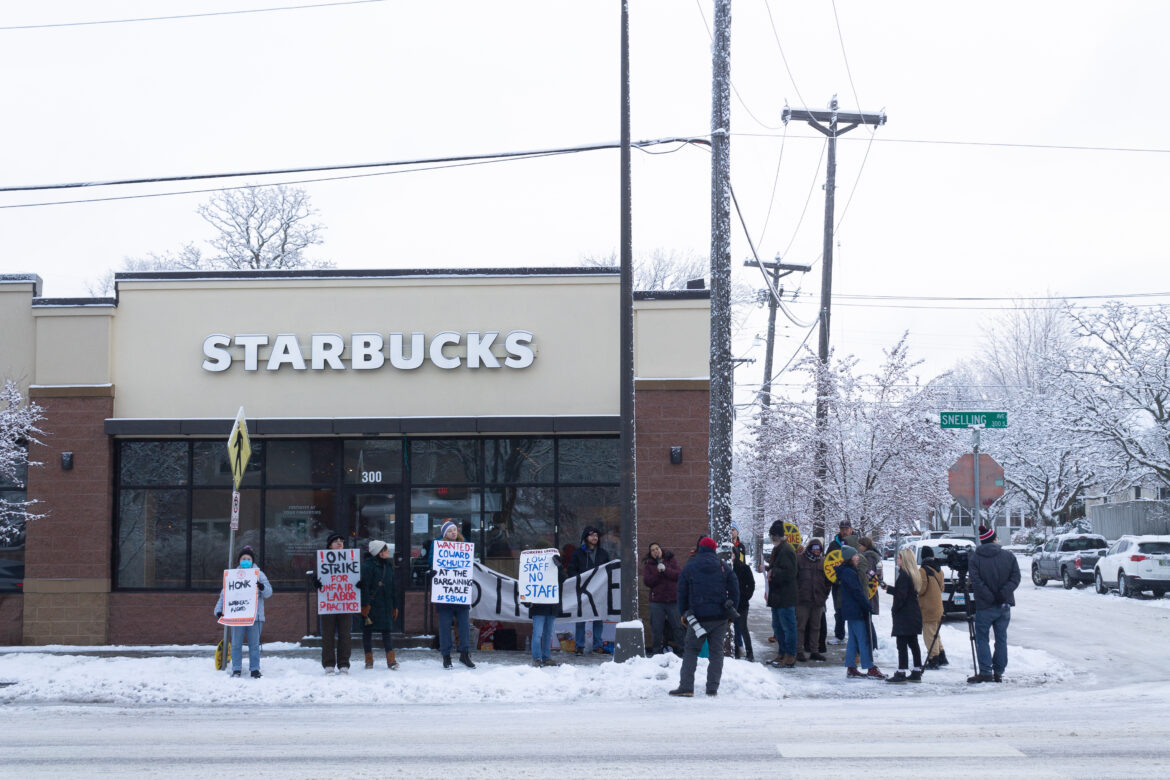
Amid a historic unionizing campaign across the country, workers are continuing to organize despite Starbucks ‘soft’ union-busting tactics.